Thermal Springs vs Hot Springs: What Geothermally Heated Water Actually Does to Your Skin
 J. Reeves
There's a particular quality to the silence inside a thermal pool. Not the silence of a quiet room, but the silence of submersion: water pressing gently at your eardrums, steam rising off the surface, your skin registering something distinctly different from rain or ocean or river.
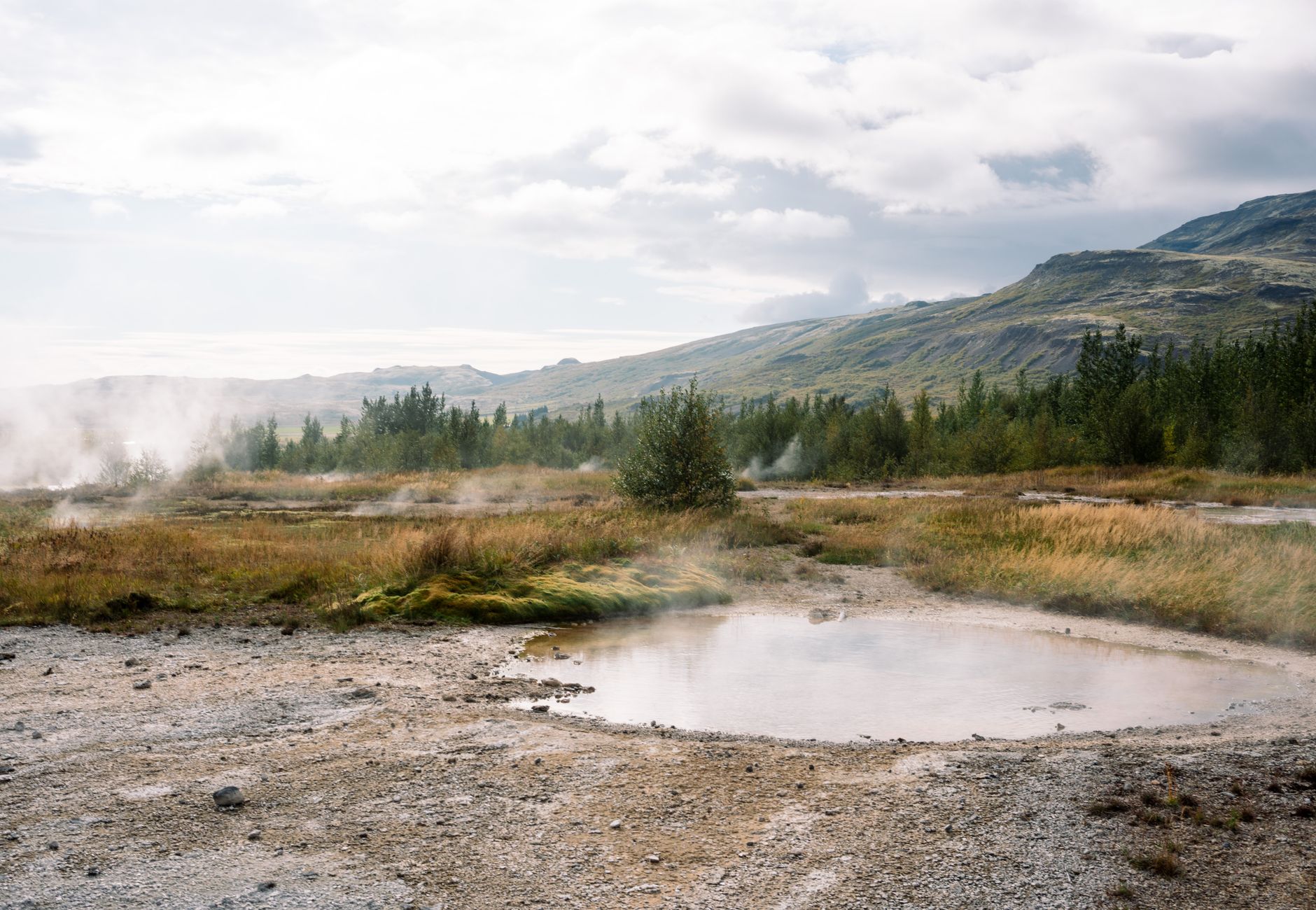 Photo by Jamaal Hutchinson on Pexels.
Geothermally heated water isn't just warm water. The journey it takes through rock, sometimes for thousands of years, changes its chemistry in ways your skin detects before your brain names them.
What Makes Thermal Water Different
Ordinary groundwater picks up minerals as it travels. Thermal water does this under pressure and heat, which drives the absorption of silica, sulfur, calcium, magnesium, bicarbonate, and trace elements at concentrations you won't find in surface water. By the time it reaches the surface, it carries a dissolved mineral load that can range from mildly brackish to dramatically sulfuric.
The skin response begins immediately. Silica-rich water (common in volcanic regions like Iceland, New Zealand, and parts of Japan) creates a quality that bathers often describe as silky. This isn't metaphor. Dissolved silica at high concentrations coats the skin in a thin mineral film that reduces friction between your fingers when you rub them together. You can feel it as a slipperiness that freshwater doesn't produce.
Sulfur springs work differently. The sulfur compounds soften keratin, the protein that forms the outermost layer of your skin. Soaking opens the skin's surface slightly, which is why thermal sulfur baths have been used for centuries to treat conditions like psoriasis and eczema. The catch: sulfur also oxidizes on contact with air and skin oils, which produces that famous rotten-egg smell. Your skin carries it for hours afterward.
Temperature as Its Own Variable
The heat matters independently of the minerals. Water at 38 to 42 degrees Celsius causes vasodilation: blood vessels near the skin's surface dilate, circulation increases, and your skin flushes visibly pink. This is the body managing excess heat. The capillaries open wide. If you photograph skin in this state, the texture looks different from cold-water immersion. The pores appear more open, the color deeper and more saturated.
At higher temperatures (some thermal pools run above 45°C), the vasodilation becomes extreme enough that extended soaking is actually contraindicated for people with cardiovascular conditions. The body is working hard to offload heat while your skin tells you everything is fine and warm and comfortable.
Cold plunges after a thermal soak produce the reverse: rapid vasoconstriction, a tightening sensation across the whole body surface, followed by a rebound flush as circulation stabilizes. Thermal bathing cultures in Scandinavia, Japan, and Central Europe have used this cycle deliberately for generations. Whether the contrast specifically benefits skin health beyond the pleasant sensation is still genuinely debated in dermatology research, but the physiological reality of the cycle is not.
Mineral Absorption: What Actually Crosses the Skin Barrier
Here's where the claims get complicated. The skin's primary job is to keep things out. Intact skin is remarkably good at this. Magnesium absorption through bathing, a popular claim attached to both Epsom salt baths and mineral springs, remains poorly supported by strong clinical evidence; most magnesium in a bath stays in the bath.
Silica absorption through intact skin is negligible. The silky feeling is a surface coating, not deep penetration.
What thermal water does accomplish: it softens the stratum corneum (the outermost dead skin layer), reduces surface pH in bicarbonate-rich springs, and delivers topical sulfur compounds to the skin surface. These effects are real and measurable, even if they're more modest than spa marketing suggests.
Some mineral spring waters also carry carbon dioxide in solution. CO2-rich thermal baths (common in parts of Germany and the Czech Republic) produce a notable skin effect: dissolved CO2 is absorbed through the skin quickly enough to cause local vasodilation beyond what heat alone would produce. The skin reddens faster, and the sensation has a mild, almost effervescent quality against the surface.
What You're Actually Feeling
When you sit in a mineral thermal pool and your skin feels transformed, several things are happening simultaneously: heat opening circulation, minerals coating and lightly softening the surface, the pressure of the water itself registering across every square centimeter of submerged skin.
That combination doesn't happen anywhere else. Rain runs off. Ocean moves constantly. Rivers push and pull. Thermal water holds you, still and dense with dissolved earth, at a temperature your body barely has to argue with.
The skin remembers it. Hours after you've dried off, the surface retains a particular quality: slightly softer, slightly different in texture under fingertips, carrying a faint mineral scent even after rinsing. That's not imagination. That's chemistry, doing what it does when water has traveled a long way through rock to meet your skin.
Get Wet Human in your inbox
New posts delivered directly. No spam.
No spam. Unsubscribe anytime.