Rain Photography: Capturing Skin and Water in Perfect Harmony
 J. Reeves
Rain transforms ordinary portrait sessions into something electric. Water clings to skin with an intimacy that studio lighting can never replicate.
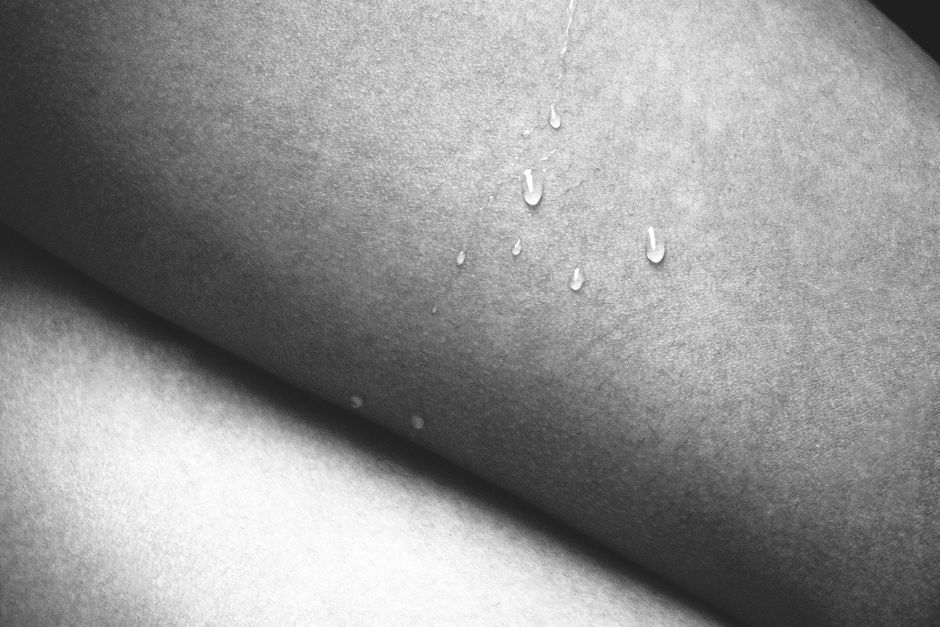
The magic happens in those first few minutes when droplets form perfect spheres on warm skin before gravity pulls them into rivulets. Your camera settings need to be ready before the first drop falls. ISO 800-1600 becomes your friend; grain adds texture that complements water's organic patterns.
Shutter speed deserves careful consideration. Fast speeds freeze individual droplets mid-air, dramatic but static. Slower speeds (1/60th to 1/125th) capture the flow and movement that makes rain photography breathe.
Timing Your Rain Session
Not all rain serves photographers equally. Heavy downpours create chaos; light drizzle lacks impact. The sweet spot? That steady, moderate rain that falls in visible lines without overwhelming your subject.
Check weather apps obsessively. Temperature matters more than most realize, cold rain causes shivering and blue lips within minutes. Warm summer rain allows for longer sessions and more natural expressions.
graph TD
    A[Monitor Weather] --> B[Temperature Above 70°F?]
    B -->|Yes| C[Light to Moderate Rain?]
    B -->|No| D[Reschedule]
    C -->|Yes| E[Perfect Conditions]
    C -->|No| F[Wait for Better Rain]
    E --> G[Shoot for 15-20 Minutes Max]
Golden hour rain sessions produce ethereal results. Backlighting turns raindrops into tiny prisms while creating that coveted rim light on wet skin. Position your subject between you and the light source, window light works beautifully for indoor setups.
Equipment Protection and Preparation
Your camera hates water more than your subject loves it. Plastic bags and rubber bands create makeshift rain covers, but proper rain sleeves work better for extended sessions.
Lens hoods become essential. Raindrops on your front element destroy image quality faster than you can wipe them clean. Keep lens cloths in waterproof pouches; soggy cloths spread water rather than removing it.
Consider focal length carefully. Longer lenses keep you dry but create distance between photographer and subject. That connection, those whispered directions and shared glances, often makes the difference between good and extraordinary images.
Working with Your Subject
Communication becomes harder when rain drums against everything. Establish hand signals beforehand. Simple gestures for "tilt your head," "close your eyes," or "we're done" prevent confusion.
Water temperature shocks the system initially. Give your subject time to acclimate before serious shooting begins. Those first gasps and surprised expressions rarely photograph well.
Hair behaves differently when soaked. Heavy, wet strands create leading lines across shoulders and collarbones. Work with gravity, tilting the head back lets water cascade naturally rather than hanging limp.
Post-Processing Wet Skin
Wet skin reflects light differently than dry skin. Highlights bloom and specular reflections can overwhelm detail. Pull those highlights down in post but preserve the luminous quality that makes wet skin captivating.
Water droplets benefit from subtle sharpening. The Clarity slider in Lightroom works wonders on rain photography, it enhances the texture contrast between smooth skin and detailed water without over-processing.
Color grading rain images requires restraint. The natural blue cast of overcast skies complements skin tones beautifully. Pushing too warm destroys the mood that weather naturally provides.
Rain photography demands respect for both elements, the water and the person brave enough to stand in it. When both align perfectly, the results celebrate wet skin in ways that no other medium can match.
Get Wet Human in your inbox
New posts delivered directly. No spam.
No spam. Unsubscribe anytime.