Estuary Swimming: What Tidal Water Actually Does to Your Skin Over a Full Day
 J. Reeves
An estuary doesn't hold still. That's the first thing you notice when you swim one regularly: the water you entered at dawn is not the water waiting for you at noon. Salinity shifts, temperature layers move, sediment clouds rise and settle. Your skin registers all of it.
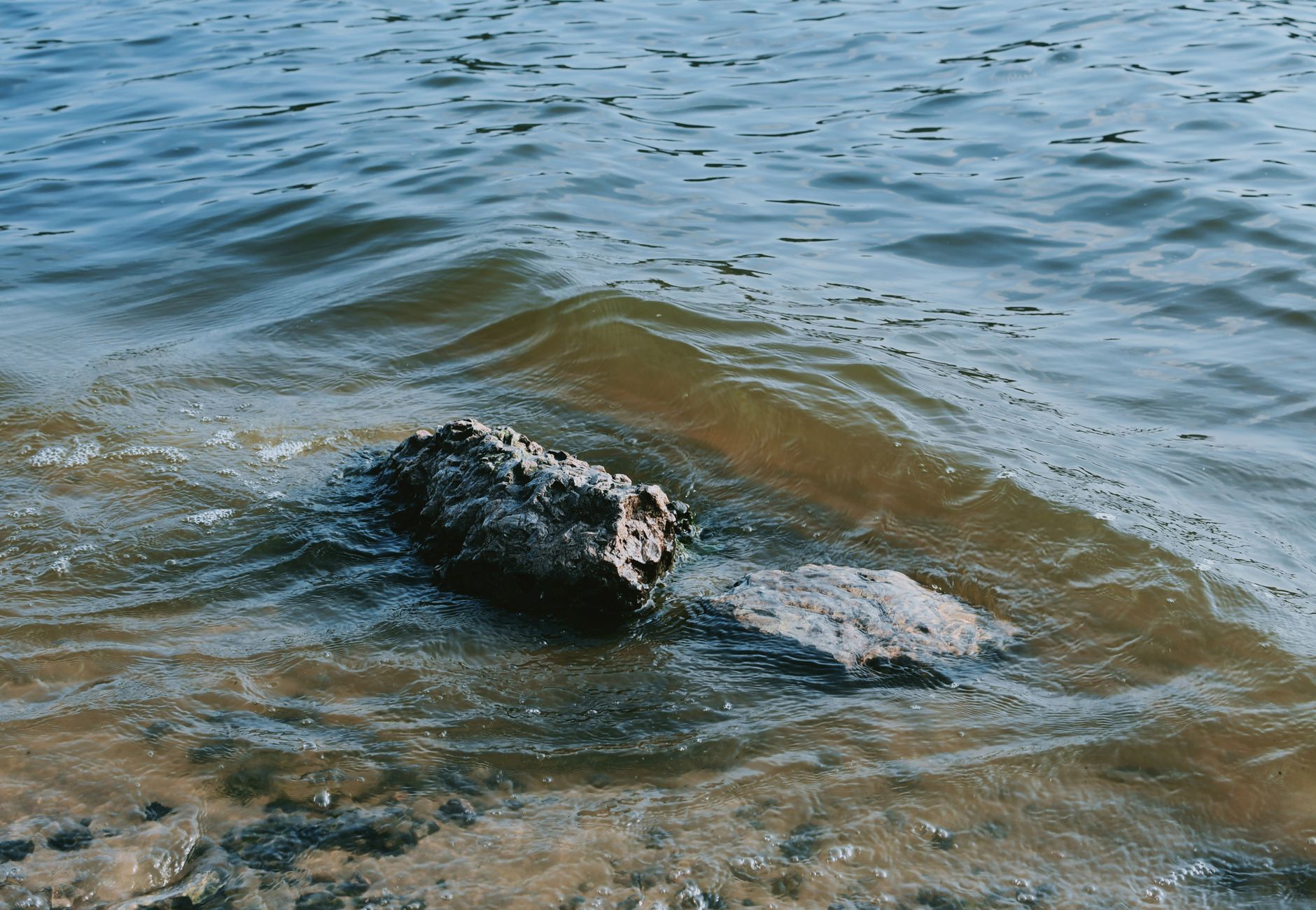 Photo by Darya Grey_Owl on Pexels.
Most open water swimmers pick one environment and learn it. Estuary swimmers have to learn several at once.
The Morning Flood Tide
At high tide, saltwater pushes inland from the sea. Salinity in a typical estuary can swing from 2 parts per thousand near the river mouth up to 30 ppt or more when marine water surges in. That's a meaningful range for skin.
Saltwater above 10 ppt starts behaving the way ocean water does: it pulls water out of surface cells through osmosis, tightens the skin's feel on your limbs, and leaves the characteristic tight-dry sensation you know from a long beach swim. At high tide in a productive estuary, you're essentially in dilute seawater. Your skin loses a little moisture to it. Not dramatically, but measurably.
Cool morning temperatures compound this. Cold water reduces blood flow to the skin's surface layers, which slows the skin's own oil production. Swimming in cool, moderately saline flood water tends to leave the skin feeling taut and faintly chalky once you dry off, particularly on your forearms and shoulders where surface area to volume is highest.
What Sediment Actually Does
Estuaries carry sediment. Fine clay particles, silt from upstream, organic matter from marsh grasses: it all suspends in the water column, especially around slack tide when currents aren't strong enough to push particles along but turbulence from earlier tidal movement keeps them aloft.
Swimming through turbid estuary water means continuous low-level contact with fine particles. This isn't harmful in clean estuaries, but it's worth understanding physically. Clay particles are negatively charged; they interact mildly with the skin's surface proteins. The sensation is subtle, somewhere between swimming in slightly silky water and the faint grittiness of fine beach sand, except uniformly distributed rather than abrasive.
After a swim in heavy suspended sediment, you'll often notice a faint film on the skin that doesn't rinse off cleanly with water alone. That's clay particles lodging in the outer layers of the stratum corneum. Interesting to feel; worth a proper rinse afterward.
The Ebb Tide Shift
As water drains back toward the sea, salinity drops quickly in the upper estuary. Freshwater from the river starts to dominate. At around 0.5 ppt or below, the water is functionally fresh: no osmotic draw on skin cells, slightly higher surface tension than saltwater, and none of the buoyancy assist that higher salinity provides.
Swimmers who stay in through an ebb tide sometimes report a perceptible change in how the water feels against their skin. Saltwater has a density around 1.025 g/cm³ versus fresh water's 1.000. That difference translates to how the water presses and slides against you. Estuary water at ebb can feel thinner somehow, less cushioning. That impression is accurate.
Skin hydration actually improves slightly in low-salinity water. The osmotic gradient reverses: now the water is slightly less concentrated than your skin cells, so there's a modest drive toward hydration rather than dehydration. Long ebb-tide swims in brackish-to-fresh conditions tend to leave skin feeling plumper and softer than equivalent time in full seawater.
Temperature Stratification
Estuaries thermally stratify on calm days. Warmer, less dense water sits near the surface; colder, denser (often saltier) water sits below. Dive down a meter or two in a summer estuary and you can swim through a halocline and a thermocline simultaneously. The skin reads both as distinct: salinity change feels like a shift in pressure and texture, temperature change is immediate and unmistakable.
This layering breaks down when tidal currents mix the water column, typically in the hours around peak flood and ebb. Mixing means you're encountering water of constantly shifting character. Cold pockets, warm patches, changes in buoyancy. No pool replicates this.
Over a Full Day
Swim an estuary at dawn, midday, and dusk across a full tidal cycle and your skin will have encountered: moderately saline cold water, sediment-laden slack water, warm low-salinity ebb water, and everything between. The cumulative effect is usually a kind of equilibrium. Skin that has cycled through osmotic stress and relief, through cold and warmth, through sediment contact and clear water, tends to feel well-worked rather than depleted.
Drink water throughout. Estuaries are deceptively dehydrating because the salinity fluctuates rather than staying consistently high, so the thirst signal is unreliable.
The estuary rewards attention. Every tide brings a different body of water to your skin, and your skin has the sensitivity to notice all of it if you're paying attention.
Get Wet Human in your inbox
New posts delivered directly. No spam.
No spam. Unsubscribe anytime.