Ocean Swimming vs Pool Training: How Salt Water Changes Your Skin
 J. Reeves
Your skin knows the difference before your mind does. Step from a chlorinated pool into the ocean, and within minutes you'll feel the contrast, not just in buoyancy or temperature, but in how the water itself interacts with your body's largest organ.
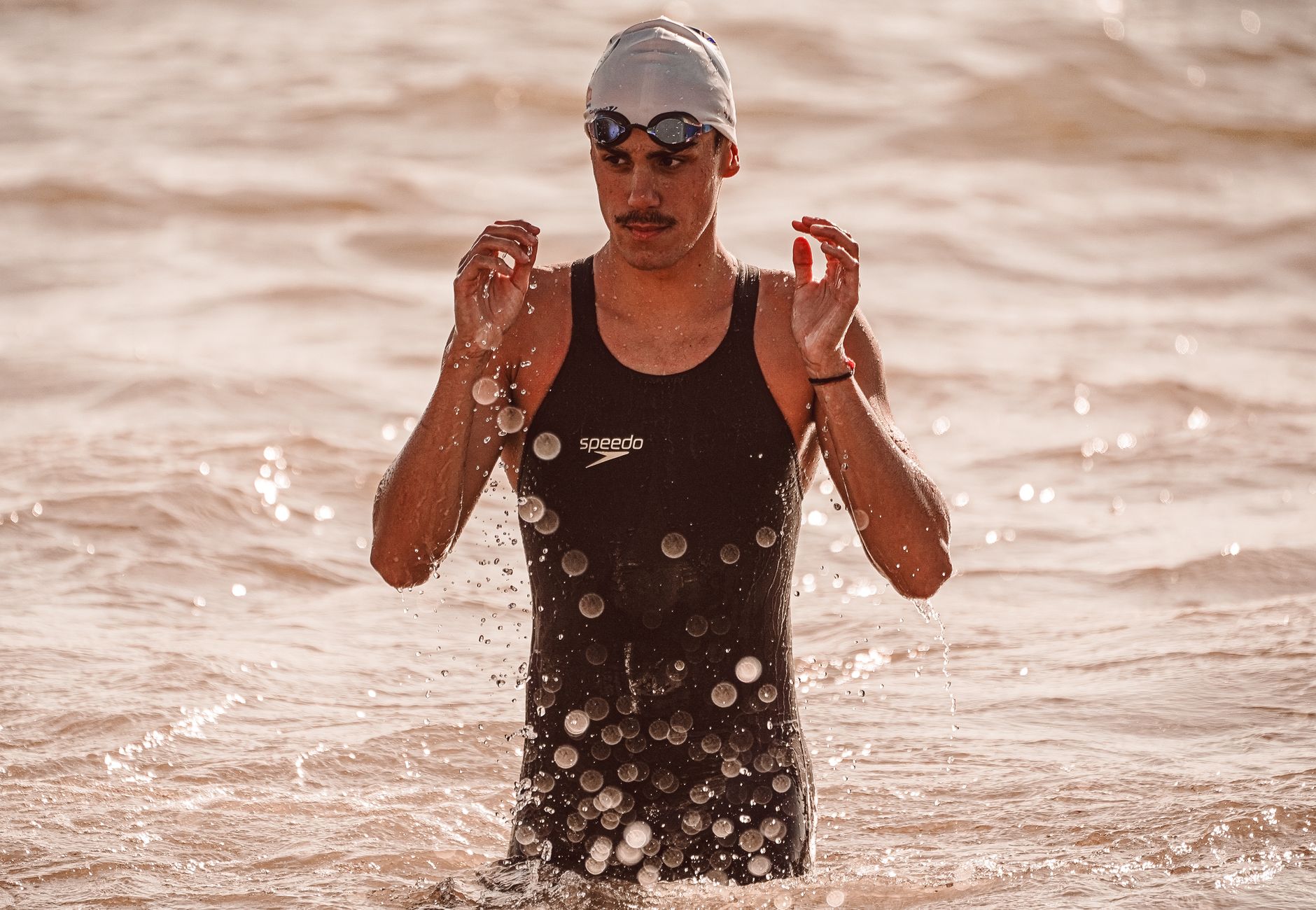 Photo by RUN 4 FFWPU on Pexels.
Salt water swimming transforms your skin through a completely different process than pool training. Where chlorine strips and sanitizes, ocean water nourishes and preserves. The mineral content of seawater, roughly 3.5% dissolved salts including magnesium, potassium, and calcium, creates an environment that actually supports skin health rather than challenging it.
The Salt Water Advantage
Magnesium absorption happens directly through wet skin during ocean swims. This mineral, often deficient in our diets, penetrates the skin barrier when dissolved in water. Extended ocean sessions can leave you with softer skin texture and reduced inflammation. Notice how cuts and minor abrasions seem to heal faster after regular ocean exposure? That's the antiseptic properties of salt water working alongside increased circulation from cold water immersion.
Natural exfoliation occurs with every stroke through salt water. The mineral content creates a gentle abrasive effect that removes dead skin cells without the harshness of chemical exfoliants. Your skin emerges from longer ocean swims with a subtle glow, not the tight, dried-out feeling common after pool sessions.
Pool Chemistry Reality Check
Chlorine serves a vital purpose: keeping pool water safe for multiple users. However, this same sanitizing power disrupts your skin's natural pH balance and strips away protective oils. The ideal pool chlorine level (1-3 ppm) is necessary for hygiene but creates an alkaline environment that can leave skin feeling rough and tight.
Frequent pool swimmers develop coping strategies: pre-swim conditioning oils, immediate post-swim moisturizing, and vitamin C sprays to neutralize chlorine. These aren't luxuries, they're maintenance requirements for anyone serious about pool training.
flowchart TD
    A[Water Contact] --> B{Water Type}
    B --> C[Ocean/Salt Water]
    B --> D[Chlorinated Pool]
    C --> E[Mineral Absorption]
    C --> F[Natural Exfoliation]
    C --> G[pH Balance Maintained]
    D --> H[Chlorine Exposure]
    D --> I[Oil Strip]
    D --> J[pH Disruption]
    E --> K((Softer Skin))
    F --> K
    G --> K
    H --> L((Requires Protection))
    I --> L
    J --> L
Practical Skin Considerations
Ocean swimmers face different challenges than pool athletes. Sun exposure increases significantly during open water sessions. The reflective properties of water intensify UV radiation, making waterproof sunscreen non-negotiable for longer swims. Salt residue can also cause irritation if left on skin for extended periods, a quick freshwater rinse prevents this issue.
Pool swimmers need different protection strategies. Apply a thin layer of petroleum jelly or specialized swimmer's lotion before entering chlorinated water. This creates a barrier that reduces direct chemical contact with your skin. Post-swim, use products containing aloe or ceramides to restore moisture and repair the skin barrier.
The Sensory Difference
Beyond the chemistry, there's something unmistakably different about how salt water feels against skin. The increased density creates more support, making your body feel more buoyant and movements more fluid. Ocean water often carries microscopic marine life and organic compounds that give it a silkier texture than the stark clarity of treated pool water.
Temperature variations in natural bodies of water also affect skin differently. Thermal layers in oceans and lakes create micro-climates against your body, stimulating circulation in ways that uniformly heated pools cannot replicate.
Choose your water based on your goals. Pool training offers consistency, safety, and convenience for serious athletes. Ocean swimming provides mineral benefits, natural skin conditioning, and the irreplaceable experience of moving through living water. Both have their place in a complete aquatic lifestyle, understanding how each affects your skin helps you maximize the benefits of both.
Get Wet Human in your inbox
New posts delivered directly. No spam.
No spam. Unsubscribe anytime.