Mineral Springs vs Tap Water: What Dissolved Solids Actually Do to Wet Skin
 J. Reeves
Most people assume water is water. You get wet, you dry off, you move on. But spend enough time swimming in different sources and your skin will tell you otherwise, sometimes within minutes.
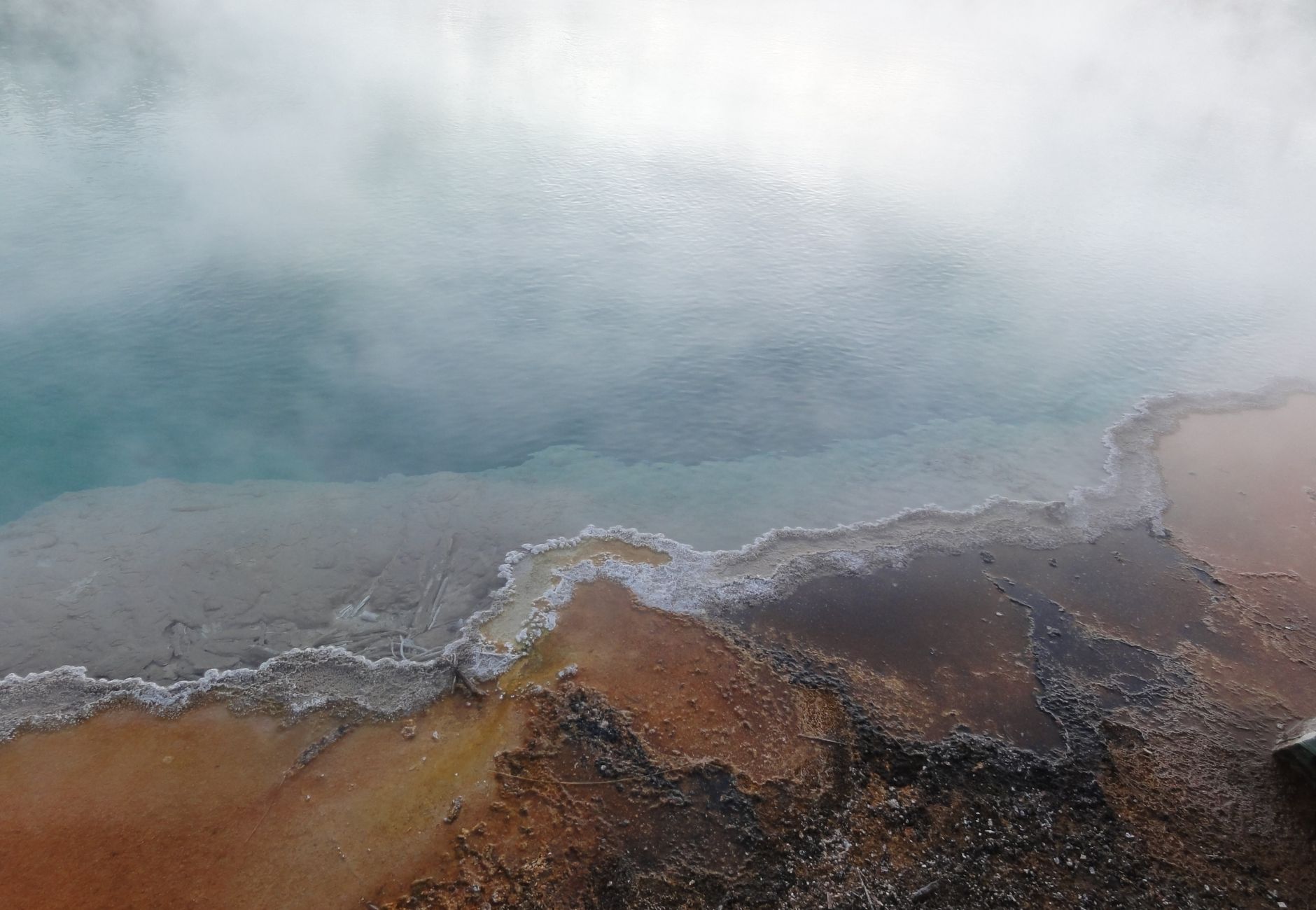 Photo by Prashant Sasnoor on Pexels.
Tap water and natural mineral springs sit at opposite ends of a dissolved-solids spectrum. What lives between them shapes texture, sensation, and what your skin barrier does in response.
What "Dissolved Solids" Actually Means
When water moves through rock, it picks things up. Calcium carbonate from limestone. Magnesium sulfate from dolomite. Silica from volcanic bedrock. Bicarbonates, sulfates, chlorides. By the time that water reaches a natural spring, it carries a chemical fingerprint specific to its geology.
Total Dissolved Solids (TDS) measures this load in milligrams per liter. Typical tap water runs between 50 and 300 mg/L depending on your region and treatment process. A rich mineral spring can run 1,000 to 3,000 mg/L. Some European spa waters exceed 10,000 mg/L. That gap is enormous, and your skin feels it.
Calcium: The One That Makes Skin Feel Tight
Hard water is the calcium story most people know. You wash your hands and feel that faint residue, a thin mineral film that sits on the skin rather than rinsing clean. That sensation comes from calcium and magnesium ions reacting with soap and your skin's natural fatty acids to form insoluble compounds.
Chronically hard tap water has been linked in several studies to increased skin barrier disruption, particularly in people prone to eczema. The mechanism: calcium ions interfere with the tight junctions between skin cells, and the residue left behind raises surface pH slightly above skin's ideal 4.5 to 5.5 range.
Natural calcium-rich springs produce a similar initial sensation. Submerge your forearms in a high-calcium mineral pool and you'll notice a slight drag on the skin surface. But extended soaking in a balanced mineral spring differs from showering in hard tap water because the minerals reach equilibrium with your skin instead of repeatedly stripping and redepositing.
Magnesium: The One That Actually Absorbs
Here the science gets interesting. Magnesium sulfate (the same compound as Epsom salt) absorbs transdermally at measurable rates during prolonged skin contact with warm water. Magnesium-rich springs have been used in European spa traditions for centuries, and the biological basis for that practice holds up.
Magnesium plays roles in over 300 enzymatic reactions. Skin cells use it in DNA repair and barrier lipid synthesis. When you soak in a magnesium-rich thermal spring for 20 to 30 minutes, serum magnesium levels show detectable increases in some studies. Your skin doesn't just feel different afterward; its chemistry is briefly different.
Tap water contains negligible magnesium by comparison, usually under 20 mg/L versus 200 to 400 mg/L in magnesium-rich springs.
Silica: The Smoothing Mineral
Volcanic spring waters often run high in dissolved silica. Swimmers who frequent silica-rich geothermal pools in places like Iceland or New Zealand consistently report unusually soft skin after prolonged exposure. Silica appears to interact with keratin proteins at the skin surface, temporarily smoothing the outermost layer (the stratum corneum) and filling microscopic surface irregularities.
This is one reason silica-rich mud baths and spring soaks have maintained their reputation through generations of skepticism directed at spa treatments generally. The softening is real and measurable, even if it's temporary.
Tap Water's Chemical Additions
Natural mineral springs carry what geology put there. Tap water carries what municipalities add: chlorine or chloramine for disinfection, sometimes fluoride, pH adjustment chemicals. Chlorine at drinking-water concentrations (0.5 to 1 mg/L free chlorine) does measurable damage to skin lipids during a standard shower. Chloramine, increasingly common because it doesn't form trihalomethane byproducts, is slower to off-gas and lingers in contact with skin longer.
None of this is catastrophic in a single shower. Over years of daily exposure, the cumulative effect on barrier function is real, particularly for anyone whose barrier was already compromised.
What Your Skin Notices First
Slide into a high-mineral natural spring after years of municipal tap water and the sensation difference arrives immediately. The water feels thicker. Slightly silky in a way that chlorinated pool water never is. Your skin doesn't dry instantly at the surface when you lift a limb out. The water clings differently.
That physical experience reflects genuine chemistry. The dissolved solids alter surface tension slightly, change the way water molecules interact with your skin's lipid layer, and shift the osmotic environment at the skin surface.
Natural mineral water offers something tap water chemically cannot: a complex mineral profile that in some cases actively contributes to skin function rather than simply wetting it and leaving residue behind. Whether that matters to you depends entirely on how closely you're paying attention.
Pay attention.
Get Wet Human in your inbox
New posts delivered directly. No spam.
No spam. Unsubscribe anytime.